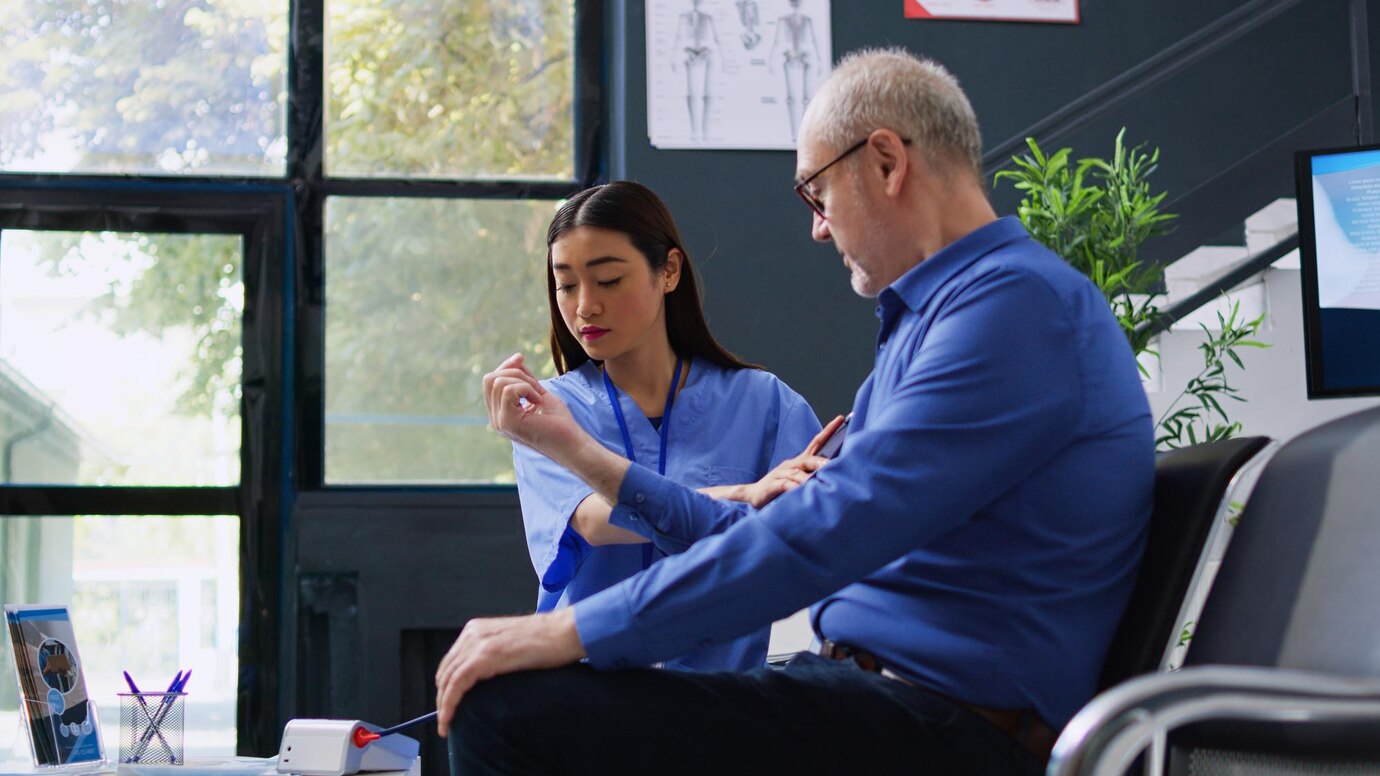
How Senior Transition Specialists Support Aging in Place Services and Improve Senior Home Safety
Aging at home—often referred to as aging in place—is becoming increasingly important to older adults who value their independence, comfort, and familiarity. Many seniors want to remain in the homes they’ve lived in for years or even decades, surrounded by their routines, community, and cherished memories. But while the desire to stay at home is strong, aging in place is only safe and sustainable when the environment supports an older adult’s changing physical, medical, and mobility needs.
That’s where aging in place services come in. These services are designed to assess, modify, and organize a senior’s living space to enhance safety, improve accessibility, and create a comfortable, functional home environment. One of the most valuable resources within this category is a Senior Transition Specialist—a professional trained to reduce risks, simplify home layouts, coordinate modifications, and ensure seniors can remain safely and confidently in their own homes.
In this article, we explore how these specialists help with senior home safety, what types of modifications they recommend, and how families can use their services to support long-term independence. We’ll also share how Seniors Journey Specialists can guide you through every step of the aging-in-place process.
Why Aging in Place Matters More Than Ever
Most seniors prefer staying at home rather than moving into a retirement residence. Aging in place supports:
- Independence
- Familiarity with surroundings
- Emotional comfort from memories and personal belongings
- Connection to community—friends, neighbours, routines
- Control over daily life and environment
But aging in place can also present challenges, especially as mobility, balance, and health needs evolve. Everyday tasks like climbing stairs, showering, preparing meals, or navigating cluttered spaces can create safety risks. Simple oversights can quickly become hazards.
This is where aging in place services become transformative—not just helpful, but essential for maintaining quality of life.
The Role of Senior Transition Specialists in Aging in Place
A Senior Transition Specialist supports seniors who want to remain at home by evaluating risks, organizing the home, coordinating necessary changes, and guiding families through planning for future needs. While many people associate these specialists with relocations or downsizing, they are equally valuable for seniors who are not moving.
Think of a Senior Transition Specialist as a partner who helps ensure the home is safe, accessible, manageable, and prepared for aging.
Their core services often include:
- Home safety assessments
- Coordinating home modifications
- Decluttering and organization
- Space planning for accessibility
- Removing hazards
- Setting up support systems and services
- Helping families plan for future care needs
These services offer seniors and caregivers peace of mind—knowing the home environment supports independence without compromising safety.
Common Hazards Seniors Face at Home
Understanding typical risks helps families address them before they lead to injuries or hospital visits. Some of the most frequent hazards include:
1. Falls and Slips
Falls are the leading cause of injury among older adults. Loose rugs, cluttered walkways, poor lighting, and slippery bathrooms contribute significantly.
2. Mobility Barriers
Stairs, narrow hallways, or furniture placement can limit movement or make everyday tasks more difficult.
3. Bathroom Risks
Bathing, getting on and off the toilet, and standing for long periods create major safety challenges.
4. Kitchen Concerns
High shelves, heavy cookware, and limited counter space can result in strain or accidents.
5. Poor Organization
Clutter creates tripping hazards, confusion, and stress—especially for seniors with memory challenges.
6. Emergency Readiness
Homes lacking clear pathways, accessible phones, or fire safety equipment can delay response times during emergencies.
Aging in place services address these hazards by redesigning the environment around the senior’s abilities rather than expecting the senior to adapt to a home that no longer suits their needs.
How Senior Transition Specialists Improve Senior Home Safety
Senior Transition Specialists bring a trained eye and expert problem-solving skills to each home. Their work begins with a detailed assessment and continues through hands-on support and coordination. Here’s how they make homes safer and more accessible.
1. Conducting Home Safety Assessments
The first step is a thorough walkthrough of the home, examining:
- Entrances and exits
- Stairways and railings
- Flooring and potential tripping points
- Kitchen layout
- Bathroom accessibility
- Bedroom setup
- Lighting and visibility
- Emergency preparedness
A specialist then provides a customized plan tailored to the senior’s physical abilities, cognitive needs, and lifestyle.
This assessment lays the foundation for practical, meaningful improvements.
2. Coordinating Home Modifications
Once the safety risks are identified, specialists help arrange necessary modifications. These may include:
Bathroom Modifications
- Grab bars near toilets and showers
- Shower benches or walk-in showers
- Raised toilet seats
- Non-slip flooring
Kitchen Improvements
- Lowering frequently used items
- Rearranging cupboards for accessibility
- Improving lighting over work areas
- Reorganizing heavy cookware to reduce strain
Bedroom Safety
- Bed height adjustments
- Clear pathways to the bathroom
- Bedside lighting or motion-activated nightlights
Entrance Enhancements
- Installing railings
- Adding ramps for accessibility
- Creating level entrances
Whole-Home Improvements
- Eliminating trip hazards
- Securing rugs
- Adding brighter lighting
- Reconfiguring furniture for safe movement pathways
Senior Transition Specialists also coordinate with trusted contractors, saving families time and preventing costly mistakes.
3. Decluttering and Organizing for Safety
A cluttered home is more than a visual issue—it’s a health and safety concern.
Specialists help by:
- Removing unnecessary items
- Creating clear, open walkways
- Organizing belongings so essentials are easy to reach
- Labeling drawers and cabinets for memory support
- Storing heavy items at waist level
- Reducing duplicate or unused objects
This process reduces stress on seniors, improves safety, and promotes independence. It also helps caregivers maintain a clean, functional environment with less effort.
4. Adapting the Home for Mobility and Accessibility
As mobility changes, the home must adapt. Specialists ensure the layout supports daily activities such as:
- Transferring from bed to chair
- Using mobility aids like walkers or canes
- Entering and exiting the home safely
- Moving from room to room without obstacles
They may recommend:
- Widening pathways
- Repositioning furniture
- Creating “activity zones” with all necessary items close at hand
- Adding chairs or stools to reduce exertion
These changes make tasks more manageable and reduce risk.
5. Preparing for Future Needs
Aging in place isn’t just about today—it’s about planning for tomorrow.
Senior Transition Specialists help families anticipate:
- Future mobility issues
- Cognitive changes
- Additional safety equipment
- Support services such as home care or meal delivery
- Emergency readiness
This proactive approach prevents rushed decisions and helps seniors remain at home longer.
Benefits of Using Aging in Place Services
Choosing aging in place services—especially with the guidance of a Senior Transition Specialist—offers many advantages:
1. Enhanced Safety
Reduces falls, accidents, and emergency risks.
2. Improved Independence
Seniors maintain control over daily routines.
3. Lower Stress Levels
Less clutter and improved layout provide calm and ease.
4. Peace of Mind for Families
Caregivers know their loved one is living in a safer environment.
5. Cost Savings
Preventing injuries and avoiding premature moves saves money long term.
6. Customized to Individual Needs
Every home and every senior is different—these services ensure personalized solutions.
Who Can Benefit Most from Aging in Place Services?
These services are ideal for:
- Seniors who want to remain in their home long-term
- Caregivers balancing safety and independence
- Families supporting aging parents from a distance
- Seniors with mobility or balance issues
- Older adults recovering from surgery or medical events
- Anyone preparing for future aging needs
No matter the situation, the goal remains the same: a safe, comfortable, and accessible home.
How Seniors Journey Specialists Can Help
Aging in place is a beautiful goal—but it requires the right planning and support. Seniors Journey Specialists provide compassionate, expert guidance every step of the way. They evaluate risks, coordinate modifications, organize the home, simplify daily routines, and create safer, more accessible living environments.
Whether you’re preparing your home, supporting a loved one, or planning for the future, their expertise ensures the transition is smooth and stress-free.
Final Thoughts
Aging in place is not just a preference—it’s a dignified, empowering choice that allows seniors to maintain independence, comfort, and routine. With the right aging in place services and a strong focus on senior home safety, staying at home becomes not only possible but deeply fulfilling.
Senior Transition Specialists make this process safer, easier, and more personalized, ensuring the home supports every stage of aging.
If you or a loved one is preparing to age in place, Seniors Journey Specialists can help create a safe, organized, and accessible home—so you can live confidently and comfortably where you belong.