Every four years, the world comes together to celebrate the power of sport, perseverance, and human potential at the Olympic Games. We watch athletes from around the globe push their limits, overcome obstacles, and represent their countries with pride.
But the Olympics are about more than medals and world records. They remind us of something much deeper — the importance of movement, resilience, community, and lifelong dedication to health.
At Seniors Journey, we believe that remaining active — physically, mentally, and socially — is one of the most powerful ways seniors can maintain independence, confidence, and quality of life. The Olympic spirit offers inspiration for seniors and families navigating the aging journey.
Let’s explore how the values behind the Olympics can inspire older adults to remain active and thrive at every stage of life.
The Olympic Mindset: It’s Not About Age — It’s About Commitment
When we watch the Olympics, we often see young competitors. But did you know that many Olympians compete well into their 30s and 40s? Some even return after injuries, setbacks, or long breaks.
What sets them apart?
- Consistency
- Discipline
- Adaptability
- A commitment to movement
Aging works the same way. Staying active isn’t about being the fastest or strongest — it’s about maintaining function, mobility, and independence.
For seniors, remaining active can mean:
- Walking daily
- Gentle strength training
- Stretching or yoga
- Swimming
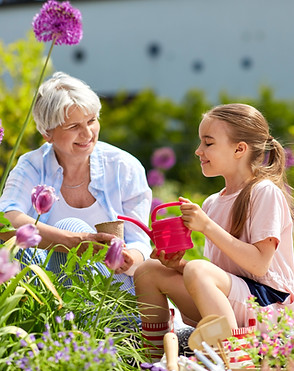
- Gardening
- Participating in community programs
The goal isn’t competition — it’s longevity and vitality.
Why Physical Activity Is Critical for Seniors
Research consistently shows that staying active as we age can:
- Improve balance and reduce fall risk
- Strengthen bones and muscles
- Improve heart health
- Boost mood and mental clarity
- Reduce the risk of chronic disease
- Support better sleep
Physical inactivity is one of the leading contributors to decline in older adults. But even small, consistent movement can dramatically improve outcomes.
Think of it like Olympic training — not intense, but consistent.
Small Steps Make Big Differences
You don’t need to train like an Olympian to see benefits. In fact:
- 20–30 minutes of walking per day
- Light resistance exercises twice weekly
- Balance exercises like standing on one foot
- Chair yoga or tai chi
These simple activities can significantly improve quality of life.
At Seniors Journey, we often encourage families to consider how a retirement community supports movement. Do they offer:
- Fitness classes?
- Walking clubs?
- Physiotherapy?
- Wellness programs?
- Accessible outdoor spaces?
The environment matters.
The Power of Community: Lessons from Team Sports
The Olympics also highlight the power of teamwork. Whether it’s relay races or hockey, athletes succeed together.
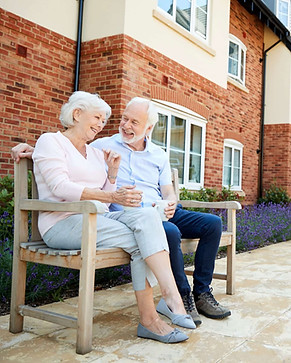
Social connection is just as important for seniors.
Isolation is one of the biggest risks for aging adults. Loneliness can contribute to:
- Depression
- Cognitive decline
- Increased health complications
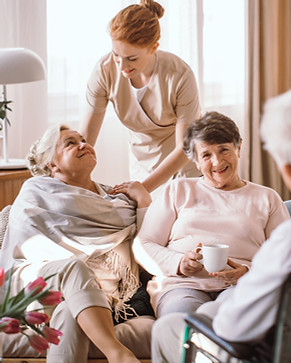
Active retirement communities often offer:
- Group fitness classes
- Game nights
- Hobby clubs
- Social events
- Volunteer opportunities
Remaining active socially is just as important as physical movement.
Just like athletes rely on teammates, seniors benefit from a supportive, engaged community.
Canadian Olympic Pride and Lifelong Activity
In Canada, Olympic pride runs deep. From hockey victories to track and field achievements, Canadians celebrate perseverance and excellence.
But Olympic inspiration isn’t limited to professional athletes. It’s about embodying resilience and determination at every age.
For seniors who grew up watching iconic Olympic moments, sport often represents:
- National pride
- Personal memories
- A connection to history
- A sense of identity
Incorporating these themes into senior programming — such as Olympic-themed activity days or movement challenges — can reignite motivation and joy.
At Seniors Journey, we’ve seen firsthand how engaging seniors through meaningful themes can spark participation and enthusiasm.
Adapting Activity as We Age
One of the greatest lessons from Olympic athletes is adaptability. Many competitors adjust their training over time to protect their bodies and extend their careers.
Seniors can take the same approach.
Aging doesn’t mean stopping activity — it means modifying it.
Instead of:
- High-impact running → Try brisk walking
- Heavy weightlifting → Try resistance bands
- Competitive sports → Try recreational leagues
Working with healthcare professionals ensures activities are safe and appropriate.
The key is consistency and smart adaptation.
The Mental Benefits of Staying Active
Olympic athletes train not only their bodies but also their minds. Mental strength, focus, and resilience are essential.
For seniors, physical activity is directly linked to cognitive health.
Studies show that regular movement can:
- Support memory
- Improve concentration
- Slow cognitive decline
- Reduce stress and anxiety
Activities like:
- Dance classes
- Yoga
- Swimming
- Group walks
Combine physical movement with social interaction — amplifying cognitive benefits.
Remaining mentally active through puzzles, reading, learning new skills, and participating in community discussions further enhances brain health.
Independence Through Movement
One of the biggest concerns families face when supporting aging parents is the loss of independence.
The ability to:
- Climb stairs
- Get out of bed
- Carry groceries
- Walk safely
Depends heavily on strength, balance, and mobility.
Staying active directly protects independence.
At Seniors Journey, we often help families evaluate whether their loved one’s current environment supports safe mobility. For example:
- Are there handrails?
- Is the flooring safe?
- Are fitness programs available?
- Is transportation accessible?
Choosing a community that promotes wellness can make a significant difference in long-term outcomes.
Olympic Values That Apply to Aging
The Olympic motto — “Faster, Higher, Stronger — Together” — can be reimagined for seniors as:
- Stronger — physically and mentally
- Higher — in quality of life
- Together — in community
Aging well is not about competition; it’s about progress.
Every walk taken.
Every stretch completed.
Every social event attended.
These are victories.
How Families Can Encourage Active Aging
If you’re supporting an aging parent, here are practical ways to encourage activity:
1. Lead by Example
Invite them for walks or gentle exercise together.
2. Make It Social
Encourage group classes or clubs rather than solo activities.
3. Celebrate Small Wins
Just like Olympic milestones, celebrate progress.
4. Choose the Right Environment
Some retirement communities are far more wellness-focused than others. Ask about:
- Exercise programming
- Rehabilitation services
- Wellness coordinators
- Outdoor access
At Seniors Journey, we guide families through these questions to ensure their loved one lands in a community that promotes vitality, not decline.
The Emotional Power of Purpose
Olympians often speak about purpose. Their training has meaning.
Seniors also thrive when they feel purposeful.
Remaining active supports:
- Confidence
- Self-esteem
- Motivation
- A sense of accomplishment
Activities such as volunteering, mentoring, art classes, and hobby groups can reignite purpose.
Retirement should not mean retreating from life.
It should mean redefining it.
Creating an “Olympic Spirit” in Senior Living
Imagine a retirement community hosting:
- Mini Olympic Games
- Friendly fitness challenges
- Team-based activities
- Medal ceremonies for participation
- Intergenerational sports days
These experiences do more than entertain — they build morale, encourage movement, and foster connection.
Remaining active becomes enjoyable rather than obligatory.
Active Aging Is a Journey — Not a Destination
Just like Olympic athletes don’t achieve greatness overnight, healthy aging is built over time.
It’s never too late to start.
Even seniors in their 80s and 90s can improve:
- Balance
- Flexibility
- Strength
- Endurance
The human body is remarkably adaptable at any age.
The key is safe, consistent movement.
How Seniors Journey Supports Active Living
At Seniors Journey, we understand that choosing a retirement home can feel overwhelming. One of the most important — yet often overlooked — factors is how a community supports active living.
We help families evaluate:
- Wellness programming
- Access to physiotherapy
- Recreational activities
- Community culture
- Outdoor space
- Transportation access
Because the right environment can make all the difference.
A community that prioritizes movement and engagement helps seniors:
- Maintain independence longer
- Experience improved mood
- Build friendships
- Feel empowered
Our goal is not simply placement — it’s alignment.
We ensure your loved one is in a community that supports their health journey.
Final Thoughts: The Gold Medal Is Quality of Life
The Olympics remind us that the human spirit is powerful. Age does not eliminate strength, resilience, or purpose.
Remaining active is not about winning medals.
It’s about winning years — healthy, independent, joyful years.
Whether it’s a daily walk, a fitness class, or joining a vibrant retirement community that values wellness, small steps create meaningful impact.
At Seniors Journey, we believe every senior deserves the opportunity to thrive — physically, mentally, and socially.
The Olympic flame symbolizes hope and perseverance.
Healthy aging carries that same flame.
And it’s never too late to keep it burning.