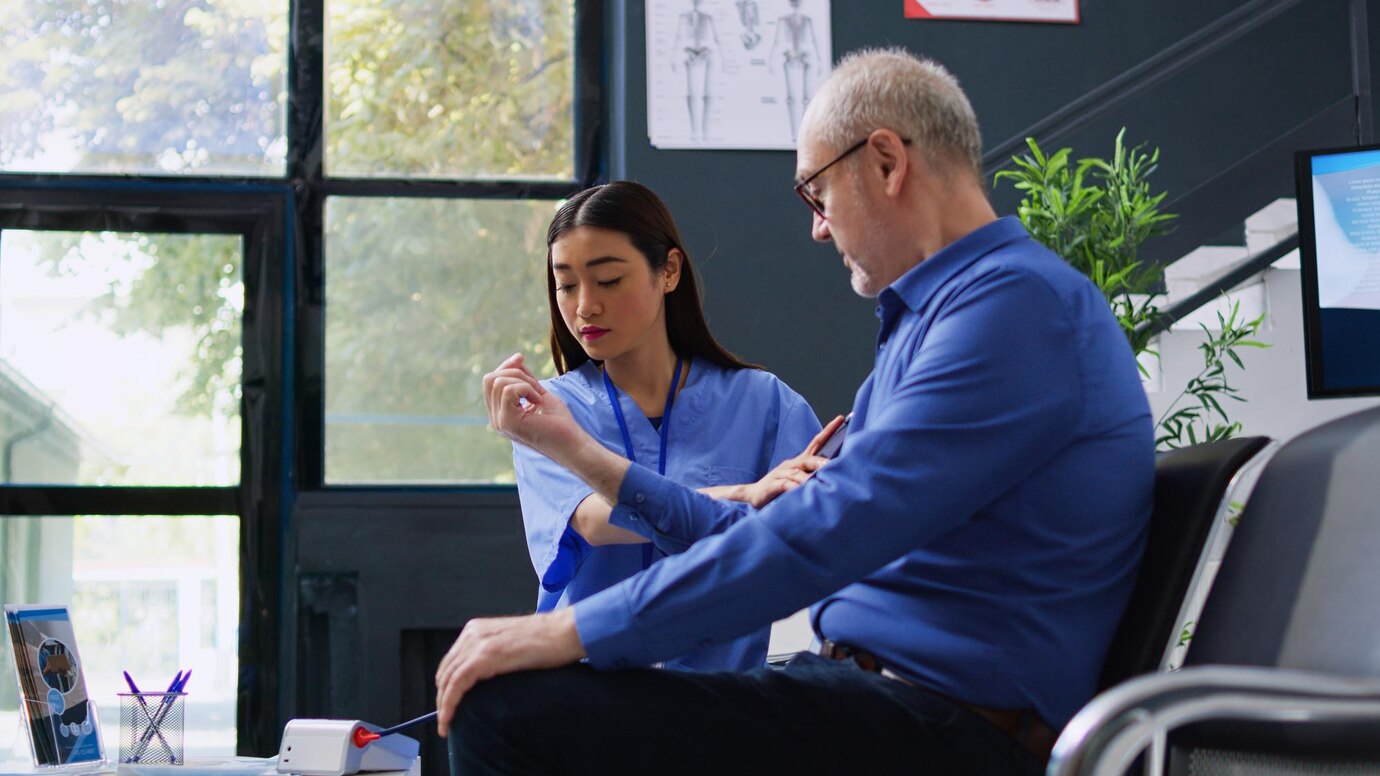
Why Demand for Relocation Support, Downsizing Assistance, and Aging-in-Place Planning Is Rising Faster Than Ever
As the global population ages, families, caregivers, and older adults are navigating more complex transitions than previous generations. More seniors today are downsizing, moving closer to family, relocating to retirement communities, or preparing their homes to age safely in place. With this shift has come a rapid rise in senior relocation demand, along with a growing awareness of just how overwhelming these life transitions can be without the right support.
Enter senior transition services, a specialized field dedicated to helping older adults and their families manage the emotional, physical, and logistical realities of relocation and late-life planning. From downsizing and organizing to coordinating moves and creating safe home environments, senior transition specialists are becoming an essential part of the aging journey.
This article explores the reasons behind the senior transition services growth, the challenges families face due to the expanding aging population and services required, and why more seniors than ever are turning to professional guidance.
Why the Need for Senior Transition Services Is Growing
The demand for relocation support and senior-centric services is increasing because of several significant trends. Together, they are reshaping families, communities, and the aging experience.
1. The Population Is Aging at an Unprecedented Rate
Across North America, the number of adults aged 65+ is growing faster than any other demographic. Longer life expectancies, declining birth rates, and improved healthcare have created a demographic shift that’s reshaping society.
What This Means for Families
- More seniors are living longer but experiencing age-related challenges.
- Adult children often juggle caregiving with full-time work and raising families.
- Seniors living alone may lack the support needed to manage moves or major home changes.
With this rapid expansion of the senior population, the demand for aging population and services from healthcare to relocation support—is increasing every year.
2. Seniors Are Relocating More Frequently Than Before
While many older adults hope to age in place, there’s also a noticeable increase in senior relocation demand for several reasons:
- Homes with stairs or outdated layouts become difficult to navigate.
- Seniors move closer to their adult children for support.
- Retirement residences offer social engagement, safety, and convenience.
- Downsizing becomes financially or physically necessary.
- Health conditions may require more accessible environments.
Decisions that once affected only a minority of seniors have now become widespread, making transition support more crucial than ever.
3. Families Are More Geographically Spread Out
Today’s families often live in different cities, provinces, or even countries. Many caregivers want to support their aging parents but are limited by distance.
This creates several challenges:
- Difficulty helping with downsizing
- Inability to coordinate home repairs or modification
- Limited availability for packing or move-day logistics
- Emotional stress when major decisions must be made remotely
The increasing physical distance between generations has accelerated senior transition services growth, as more families rely on professionals to fill the gaps.
4. Senior Moves Are More Complex Than Standard Relocations
Moving an older adult is not the same as moving a younger family. Seniors often have:
- Decades of belongings
- Emotional attachment to their home
- Health or mobility challenges
- Cognitive or memory concerns
- Special equipment, medications, or accessibility needs
This makes the moving process significantly more time-consuming and emotionally sensitive.
Senior Transition Specialists are trained to manage these complexities with compassion, patience, and expertise—something traditional movers or real estate services were never designed to handle.
5. Increased Awareness of Aging-in-Place Challenges
More seniors want to remain at home for as long as possible, but aging in place safely requires:
- Home safety assessments
- Accessibility modifications
- Decluttering and space optimization
- Long-term planning for health and mobility
- Support services that can adapt to changing needs
Families are realizing that aging in place often requires professional coordination to prevent falls, accidents, or unnecessary hospital visits.
This increased awareness has contributed significantly to senior transition services growth, as specialists help adapt homes to support safe, independent living.
6. Emotional Support Is Now Recognized as Essential
Relocation in the senior years is as much an emotional journey as it is a logistical one. Older adults often struggle with:
- Letting go of possessions
- Moving from their long-term home
- Adjusting to new environments
- Coping with changes in independence
- Grief over life transitions
Families also experience emotional strain—balancing concerns for safety with respect for independence.
Senior Transition Specialists fill a vital emotional role by providing:
- Patient, empathetic guidance
- Neutral support to reduce family conflict
- A calm, step-by-step approach to difficult decisions
This emotional expertise is now viewed as indispensable, increasing reliance on these services.
7. Caregivers Are Overwhelmed and Need Relief
Millions of adult children are balancing caregiving with full-time careers, parenting, and household responsibilities. Many caregivers report feeling overwhelmed, burned out, or unsure how to handle senior moves or home modifications.
Transition specialists help by:
- Reducing caregiver workload
- Managing logistics and planning
- Preventing rushed decisions
- Offering professional organization and packing
- Coordinating everything from movers to home repairs
This growing need for caregiver relief is a key driver in senior relocation demand and support services.
8. More Seniors Are Preparing for the Future—Proactively
A significant cultural shift is happening: more older adults want to plan ahead rather than wait for a crisis.
They’re seeking support for:
- Downsizing early
- Simplifying their home
- Preparing for mobility changes
- Creating a safer living environment
- Understanding future relocation options
This proactive mindset contributes to senior transition services growth, as seniors and families recognize the benefits of early planning.
What Senior Transition Services Include
To meet rising demand, senior transition services have expanded beyond simple moving assistance. Today, they include:
✓ Downsizing and Home Decluttering
Sorting belongings, organizing, identifying items to keep, donate, or pass down, and preparing the home for sale or safety.
✓ Move Planning and Coordination
Developing timelines, booking movers, arranging packing, and managing all details from start to finish.
✓ Packing and Unpacking
Ensuring belongings are handled carefully, and the new home is fully set up on move day.
✓ Aging-in-Place Planning
Home safety evaluations, accessibility improvements, and organizing the home to support long-term independence.
✓ Emotional and Family Support
Helping seniors process change and reducing stress or conflict among family members.
✓ Estate Cleanouts or Home Transitions After Loss
Compassionate support during difficult periods.
How Senior Transition Specialists Support an Aging Population
To keep up with the expanding aging population and services needed, senior transition specialists provide benefits that traditional moving companies or caregivers cannot.
They offer:
Specialized Training
Understanding mobility limitations, cognitive concerns, safety risks, and emotional needs.
Patience and Compassion
Supporting seniors through difficult decisions at a comfortable pace.
Efficient, Organized Processes
Streamlining downsizing, packing, and home setup.
Safety-Focused Planning
Minimizing fall risks and creating accessible spaces.
Family Mediation
Helping reduce conflict and manage expectations.
A Holistic Approach
Combining emotional, physical, and logistical support.
This combination makes them a vital resource for families navigating senior moves or preparing for long-term aging at home.
Why Professional Help Matters More Than Ever
The senior population is growing faster than families can meet the demand on their own. The increasing complexity of late-life transitions means that professional help is no longer optional—it’s becoming essential.
Without support, families risk:
- Emotional burnout
- Unsafe living environments
- Rushed or poor decisions
- Unnecessary stress on seniors
- Increased risk of falls or injuries
- Difficulty managing logistics
Transition specialists prevent these issues while improving the overall experience for everyone involved.
Final Thoughts
As the senior population continues to grow, so does the need for compassionate, experienced support during life transitions. The rise in senior transition services growth, the increasing senior relocation demand, and the expanding range of aging population and services reflect a shifting reality: seniors and caregivers need more help than ever before.
Whether planning a move, downsizing, or preparing a home for aging in place, having a knowledgeable specialist can transform a stressful event into a smooth, supportive journey.
If you or a loved one is preparing for relocation or seeking guidance through late-life transitions, senior transition services can make all the difference—helping families navigate change with dignity, clarity, and peace of mind.